Port Botany – Penrhyn Estuary
Our team completed what was at the time, the world’s largest saltmarsh re-creation project! The project involved planting over 230,000 Saltmarsh plants over 2.4…
Port Botany – Penrhyn Estuary
Our team completed what was at the time, the world’s largest saltmarsh re-creation project! The project involved planting over 230,000 Saltmarsh plants over 2.4 hectares.
From June 2008 to June 2011, ecological restoration work was conducted by Port Authority of NSW in association with the expansion of the port at Port Botany, Sydney, NSW. The purpose was to expand and rehabilitate Penrhyn Estuary.
Project Objectives and Outcomes
The key objective of this project included expanding the existing shorebird habitat while continuing to attract migratory shorebirds with the potential to attract more. Additionally, our team worked to establish and maintain 2 hectares of restored Saltmarsh within the site as another primary objective.
The Saltmarsh works at Penrhyn Estuary involved 2.4 hectares being densely planted with Saltmarsh species. In addition to this 3000m2 of Saltmarsh was translocated within Penrhyn Estuary.
During this project we planted over 230,000 Saltmarsh plants in just 14 days. That is roughly 16,429 plants a day.

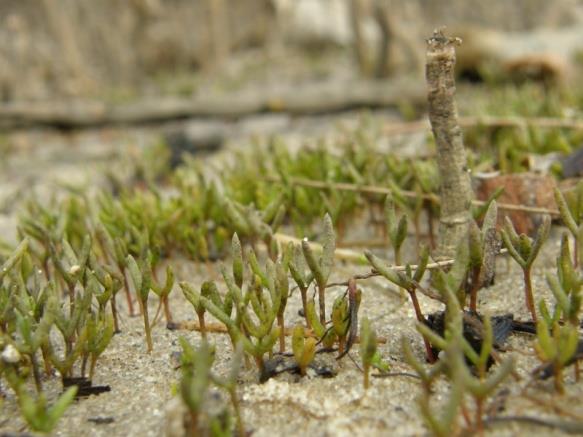
Our team introduced species that were considered suitable and currently occur in other Saltmarsh sites in Botany Bay. Our planting will lead to increased diversity on site and facilitate a more optimal habitat for migratory wading birds.
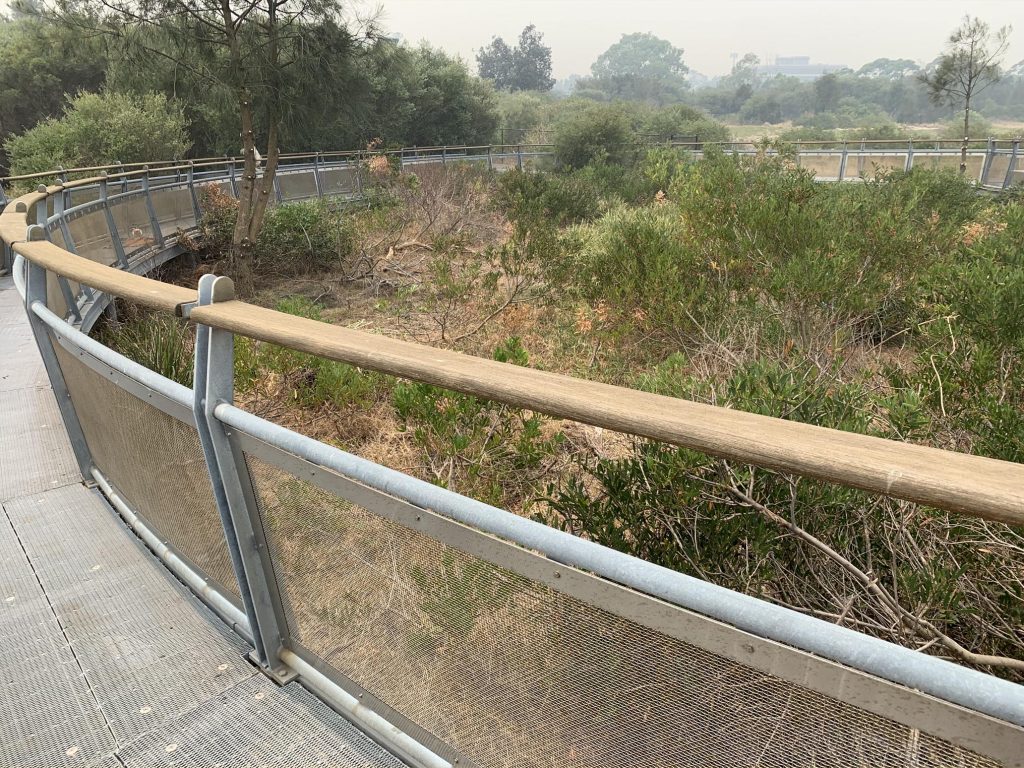
Viewing platforms were also created for public use. The platforms and fencing aim to minimise disturbance to the shorebirds and protect saltmarsh and seagrass from any public or feral animals.

Maintenance
With such successful outcomes, we are pleased to continue working with the Port Authority of NSW at Botany Bay to ensure that shorebird habitat is maintained.
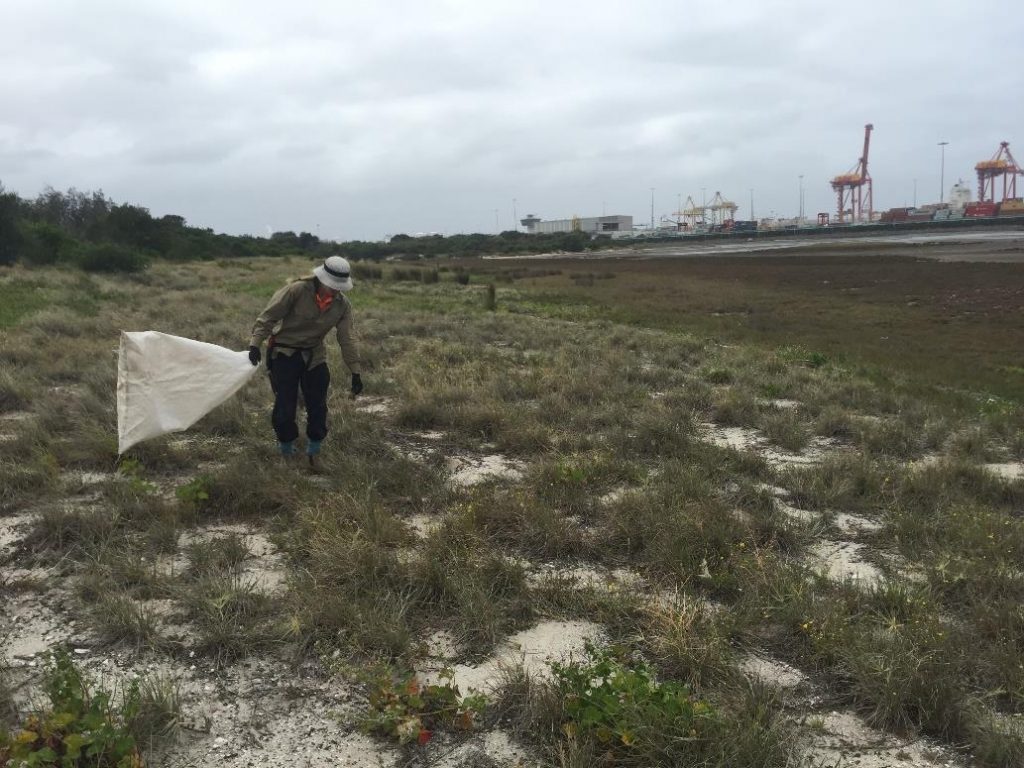
Our team works to maintain the public walkways by removing any weeds or rubbish, controlling vegetation and carrying out repairs if needed.
The Migratory Bird Islands are maintained by reducing the height of any vegetation found growing on these islands, any objects or debris found are also removed. Mangroves are seen as detrimental to shorebird habitat as they colonise shorebird feeding and roosting habitat and compete with Saltmarsh for space, therefore it is essential for it to be properly maintained.
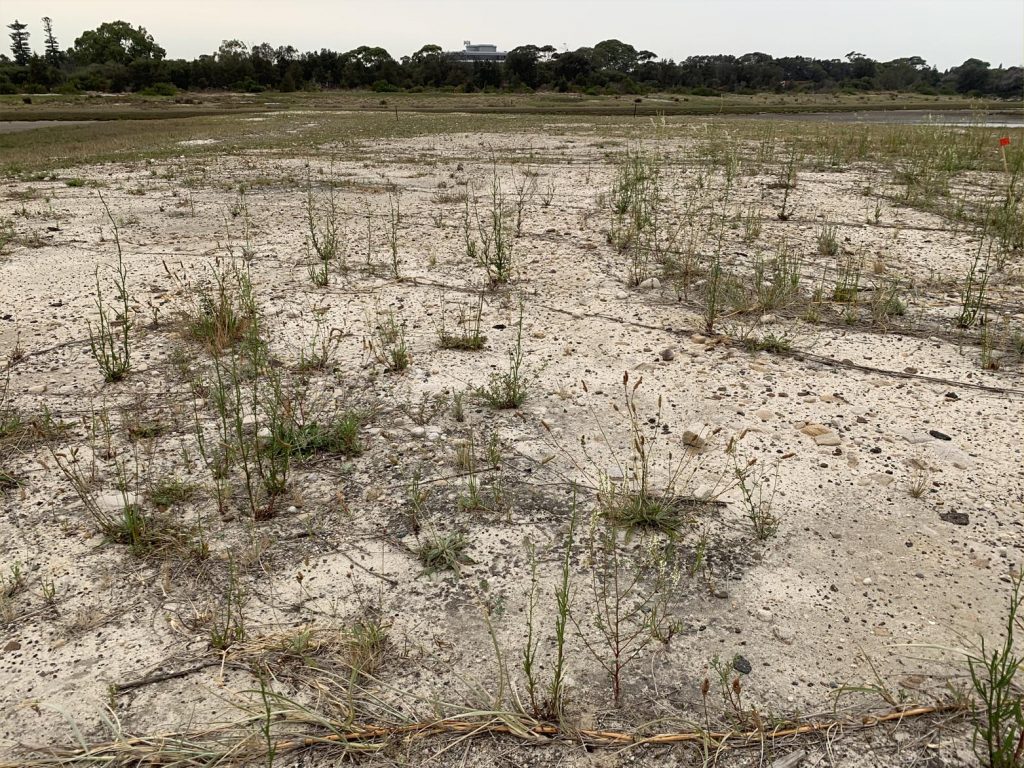
Additionally, Saltmarsh plays a key role in stabilising the banks of estuaries, filtering surface runoff, reducing nutrients and providing habitat for fauna. Erosion of Saltmarsh habitat results in loss of planted area, so it is important to monitor any plant loss and the health of the plants. Our team replants any areas that have poor plant establishment or have been disturbed by flood or storm events.